The best discounts this week
Every week you can find the best discounts here.
KuliKuli Alata (100g)
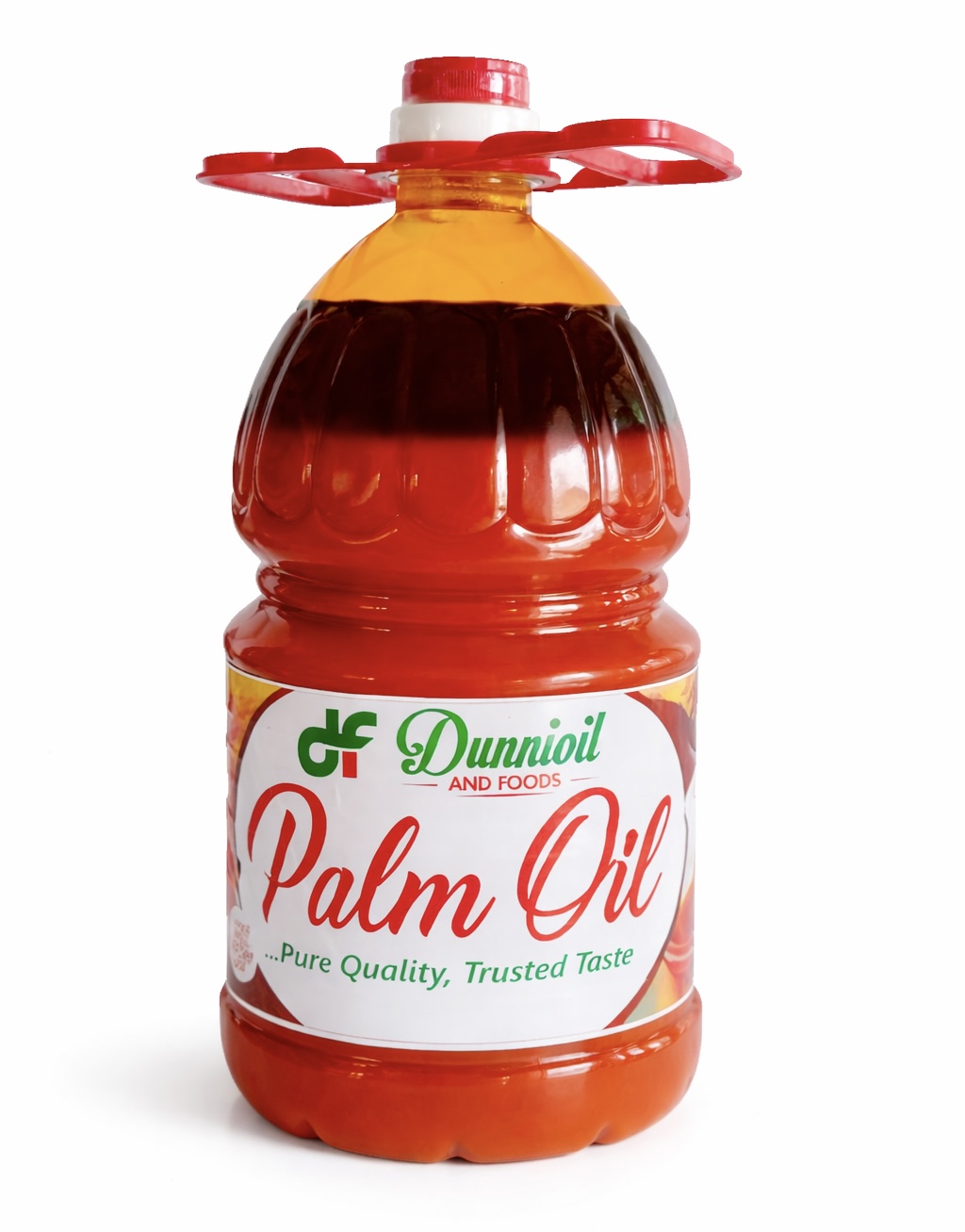
Palm Oil 5 Litres
Dried Locust Beans (Iru) 500g
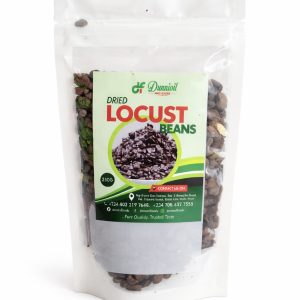
Dried Locust Beans (Iru) 250g
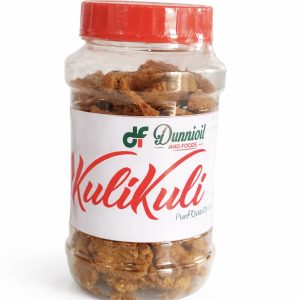
KuliKuli Alata 300g
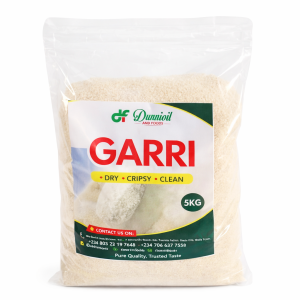
Garri 5kg
Production of palm OiL

Red palm oil production is a traditional craft, deeply rooted in West African culture and widely practiced across Southeast Asia and Latin America. Known as “red gold” for its vibrant orange-red hue—which comes naturally from its high beta-carotene and vitamin E content—this oil is prized both for its rich, nutty flavor and its health benefits.
Whether produced at home or in a large mill, the making of red palm oil follows a distinct, multi-step journey from the tree to the bottle.
The Step-by-Step Making Process
- Harvesting & Threshing
- Action: Farmers harvest fresh fruit bunches (FFB) from oil palm trees once they reach a bright red-orange ripeness.
- Traditional Method: Fruits are manually separated from the thorny bunches using a machete.
- Industrial Method: Large-scale mills use mechanical thresher drums to separate fruits from the stems.
- Sterilization (Boiling)
- Action: The loose fruits are boiled or steamed to soften the pulp and deactivate enzymes that can cause the oil to spoil.
- Details: For home production, this typically takes about 60–90 minutes until the fruit skin is easily peeled by hand.
- Digestion (Pounding)
- Action: The softened fruits are “digested” or pounded to break down the oil-bearing cells in the fleshy outer pulp (mesocarp).
- Tools: This is often done manually in large mortars with wooden pestles or mechanically in a digester vessel with rotating beater arms.
- Extraction (Pressing)
- The “Wet” Method: Hot or cold water is added to the mashed fruit, causing the red oil to rise to the surface. The oil is then skimmed off the top.
- The “Dry” Method: The mashed pulp is squeezed using a manual or motorized mechanical press (like a spindle or hydraulic press) to force out the oil.
- Clarification & Drying
- Action: The extracted crude oil is boiled again to evaporate any remaining water and remove impurities like fiber or sludge.
- Final Touch: Some traditional makers add a pinch of salt for taste or even boil a piece of yam in the oil during this stage to help absorb excess moisture.
- Storage
- Action: Once cooled and strained, the pure, unrefined red oil is bottled for use. If properly dried, it can be stored for many months without preservatives.
Why Choose Unrefined Red Palm Oil?
Unlike highly refined “white” palm oil (RBD oil), traditional red palm oil is unbleached and non-deodorized. This allows it to retain its:
- Natural Nutrients: It is a powerhouse of Vitamin A (as carotene) and Vitamin E.
- Distinct Flavor: It has a signature “bite” and aroma that is essential for authentic dishes like Banga Soup or Egusi Soup.
Pro Tip: If you’re making this at home, using cold water (even from the freezer) for the extraction step can help the oil solidify at the top more quickly, making it easier to scoop out.
Would you like a more technical guide for industrial production or a specific recipe using red palm oil?